Nurse Hero Retro: A Designer’s Real-World Embroidery Review
As someone who’s stitched hundreds of custom pieces—from boutique aprons to hospital-themed baby blankets—I opened Nurse Hero Retro expecting charm, but what I found was something more nuanced: a design that *feels* nostalgic and heartfelt, yet demands thoughtful execution to land right in embroidery. It’s not just “cute nurse lettering.” It’s word art built for vinyl cutting—but when translated into thread, its personality shifts. Let’s talk about how it actually behaves on fabric.
First Impression: Warm, Bold, and Slightly Nostalgic
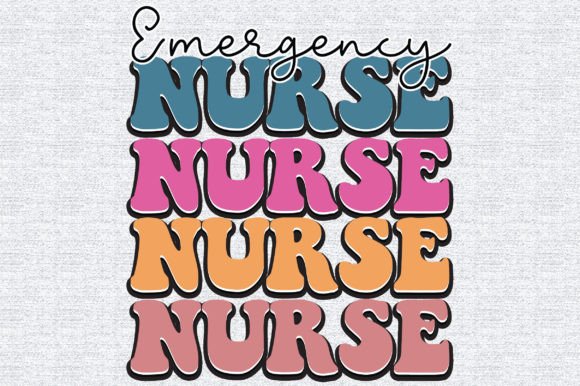
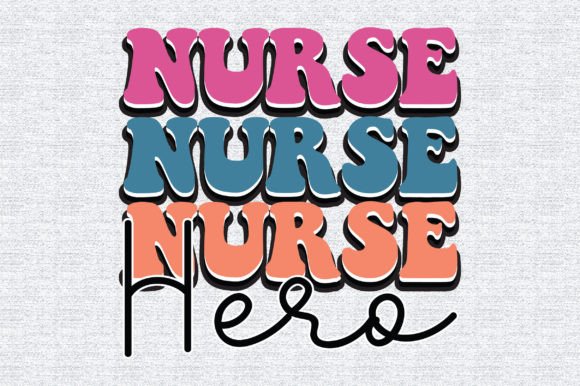
At a glance, Nurse Hero Retro reads like a 1950s enamel pin come to life—rounded serif letters, subtle shadowing, and a compact vertical layout. There’s no clipart fluff: no stethoscopes, no hearts, no cartoonish caps. Just clean, confident typography with gentle curves and balanced spacing. That restraint is its strength—and its quiet challenge. In embroidery, simplicity doesn’t always mean ease. Every curve needs stitch definition; every corner must hold shape without puckering or fraying.
Where It Shines: Real Projects That Feel Intentional
I tested Nurse Hero Retro on a heavyweight cotton tote bag (for a local pediatric clinic’s volunteer appreciation day), and it landed beautifully—crisp, legible, and quietly dignified. The vertical flow made it ideal for the center-back panel, where it read clearly even at 4.5 inches tall. It also worked well on a relaxed-fit crewneck sweatshirt, especially when paired with a simple satin-stitched outline and minimal fill. No busy background needed—just solid fabric and strong contrast.
For baby embroidery? Yes—but selectively. On a soft cotton onesie, I scaled it down to 3.25 inches and used lightweight cutaway stabilizer. The letterforms stayed open and readable, and parents responded warmly to its vintage sincerity—not kitschy, not clinical, just warm recognition. As an embroidered patch? Absolutely. Its tight kerning and consistent stroke weight translate cleanly into applique design territory, especially when backed with twill or denim.
Holiday gifts and nursery decor benefit too. Stitched onto a linen pillow cover beside a tiny embroidered caduceus or heart, Nurse Hero Retro adds narrative without overwhelming. It doesn’t shout—it honors. That subtlety makes it unusually versatile for small shop products and Etsy listings where buyers seek meaning, not mass appeal.
Where to Pause: Fabric, Fit, and Functionality
This isn’t a one-size-fits-all machine embroidery design. Its charm lives in clean lines—but those lines thin out fast on stretchy knits, textured terry cloth, or loosely woven tea towels. On a curved cap front? I’d hesitate unless using a specialized cap hoop and reducing density by 15–20%. Tiny serifs and inner counters (like the eye of the ‘e’ or bowl of the ‘o’) can vanish if stitch density runs too high or thread tension slips.
Dark fabrics demand extra attention. The original vector has medium-weight strokes—great for vinyl, but in thread, they need higher contrast. I recommend testing Nurse Hero Retro in both black-on-cream and white-on-navy mockups before finalizing. And on thin fabrics like baby swaddle muslin? Always pair with tear-away + light cutaway stabilizer—no exceptions. Running stitch outlines help define edges, but avoid overloading with dense fill stitches unless you’re aiming for bold texture (and willing to accept some stiffness).
Design Assets That Earn Their Place
What sets Nurse Hero Retro apart from generic graphics isn’t novelty—it’s cohesion. It works as a standalone embroidery file because its rhythm supports real-world scale and use. It doesn’t fight the grain of cotton, compete with pocket seams, or shrink into illegibility on petite garments. As a printable mockup element, it adds instant credibility to digital product previews—especially for craft business owners building cohesive branding around caregiving themes.
That said, remember: this is a digital download originally built for paper crafting programs like Cricut Explore and Silhouette—not native embroidery software. Before importing into your embroidery editor, confirm whether your platform supports direct conversion or requires manual digitizing adjustments. Some corners may need smoothing for satin stitch flow; fine serifs may benefit from slight thickening to prevent thread breakage.
Practical Notes Every Embroidery Designer Should Check
- Test first: Stitch Nurse Hero Retro on scrap fabric matching your final project’s weight and stretch.
- Stabilize wisely: Lightweight cutaway for stable wovens; fused tear-away + mesh for knits.
- Review stitch density: High density = crispness, but also stiffness and wash risk. Dial back 10–15% for baby items or frequent-wear apparel.
- Confirm hoop size: Its vertical orientation means height matters more than width—check clearance before hooping.
- Inspect small details: Zoom in on inner letter shapes—adjust pull compensation if needed.
- Try black-and-white mockups: See how legibility holds across light/dark backgrounds.
- Licensing matters: Since this falls under Print Templates and Graphics, verify commercial use rights before selling finished embroidered products or bundling as part of a digital embroidery collection.
In the end, Nurse Hero Retro earns its place not because it’s flashy—but because it’s trustworthy. It gives handmade product creators a way to say “thank you,” “you’re seen,” or “this matters” without leaning on cliché. For Etsy sellers curating meaningful collections, small shop owners developing signature holiday embroidery, or designers building authentic craft business assets—it’s a quiet, confident voice in a noisy space. Just give it the care its craftsmanship deserves.