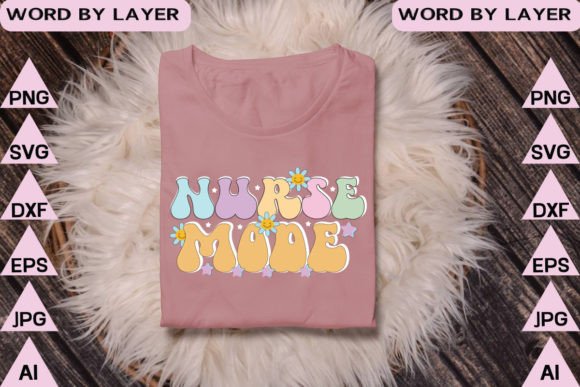
Nurse Mode Retro Design
First Impression: Friendly, Nostalgic, and Ready for Real Stitches
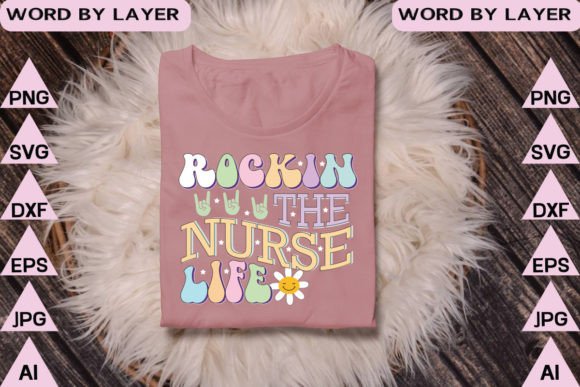
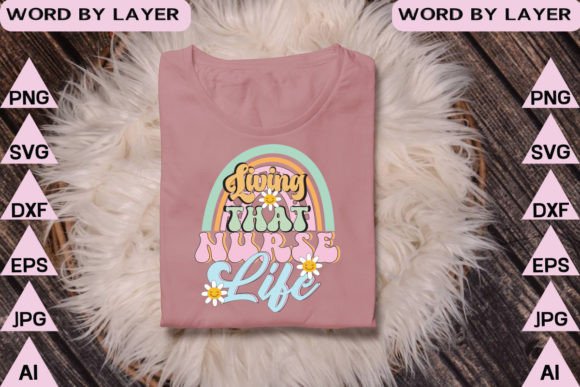
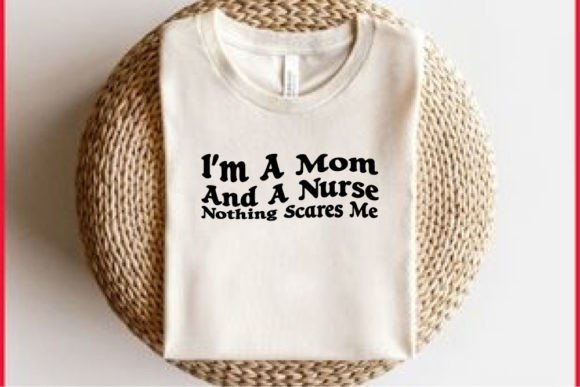
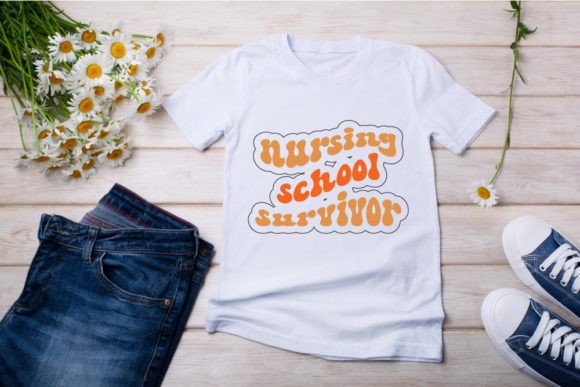
When I opened Nurse Mode Retro Design, I didn’t see just another clipart-style graphic—I saw a warm, confident nod to mid-century healthcare charm. It’s got that soft-lined, slightly rounded lettering with a subtle badge-like frame, and the “Nurse Mode” text carries gentle personality—not clinical, not cutesy, but quietly proud. As an embroidery designer who’s stitched hundreds of themed pieces for boutique shops and custom orders, I immediately pictured it on a heavyweight cotton tote bag for a new nursing grad: relaxed, professional, and full of quiet pride. That’s where this design lives best—not as background filler, but as a centerpiece with intention.
Fits Like a Well-Worn Uniform: Where It Shines in Real Projects
Nurse Mode Retro Design works especially well for custom apparel and handmade product lines that value authenticity over flash. I tested a mockup on a cream-colored unisex sweatshirt—and the retro simplicity held up beautifully. No fussy details compete for attention; the clean outline and balanced spacing mean satin stitch edges stay crisp, and fill stitch areas breathe without overcrowding. It’s equally effective on pillow covers for nursery decor, tea towels for hospital gift shops, or embroidered patches sewn onto denim aprons for clinic staff. For Etsy sellers curating a “healthcare hero” collection, this design adds cohesion without demanding complex digitizing adjustments.
It also translates cleanly to baby embroidery—think onesies or burp cloths—because the scale feels approachable and the theme reads as tender rather than occupational. And during holiday season prep? I’ve used similar retro-health motifs on mugs and kitchen towels for nurse appreciation gifts, and Nurse Mode Retro Design would slot right in: recognizable at a glance, warm enough for gifting, simple enough to stitch reliably across batches.
Where to Pause—and Stitch With Care
This isn’t a one-size-fits-all embroidery file. Its charm lies in clarity, so it needs thoughtful placement. On stretchy fabrics like ribbed knits or thin jersey tees, stabilizer choice is non-negotiable—use cutaway plus tear-away for clean lettering. On dark fabric, test thread colors early: light gray or soft teal often reads better than stark white, which can look flat under satin stitch. And avoid cramming it into tiny hoops—those curved corners and compact letterforms need breathing room. If you’re stitching caps or curved surfaces, resize thoughtfully (never scale below 3.5 inches wide) or expect softened edges.
Also, while it’s labeled under T-Shirt Designs and Graphics, remember: this is a machine embroidery design—not a print-ready graphic. Don’t assume it’ll auto-scale for iron-on transfers or sublimation unless confirmed. And if you’re building a craft business around themed digital embroidery files, double-check licensing before bundling Nurse Mode Retro Design into kits or subscription boxes.
Design Assets That Earn Trust—Not Just Attention
What makes Nurse Mode Retro Design stand out isn’t novelty—it’s resonance. Customers don’t buy “a nurse graphic.” They buy recognition, identity, and emotional shorthand. When a labor & delivery nurse sees this on a personalized tote, she doesn’t just think, “cute.” She thinks, “That’s *me*—calm, capable, grounded.” That kind of connection lifts perceived value. It helps handmade products feel intentional, not generic. For small shop owners, that means higher cart conversion, repeat buyers, and word-of-mouth referrals from nurses who tag their friends in social posts.
It also supports brand consistency. Whether you’re selling embroidered patches on Etsy or launching a line of wellness-themed kitchen linens, Nurse Mode Retro Design delivers tone without shouting. No cartoon stethoscopes, no exaggerated hearts—just clean, confident visual language that pairs well with neutral palettes and natural fibers.
Practical Notes Every Embroidery Designer Should Run Through
- Always test first: Run Nurse Mode Retro Design on scrap fabric matching your final project’s weight and stretch.
- Check contrast: View thread color options against both light and dark fabric backgrounds—especially if offering customizable items.
- Review stitch density: While not overly dense, inspect tight curves for potential puckering on lightweight cottons.
- Confirm hoop size: Measure the design’s widest point—if it’s near your machine’s max hoop width, allow ¼ inch margin for hooping ease.
- Inspect small details: The “O” in “Mode” and inner badge lines are subtle—zoom in digitally before stitching to ensure clarity.
- Mock it in grayscale: A black-and-white printable mockup reveals balance issues faster than color previews.
- Stabilize intentionally: Medium-weight cutaway works for most woven fabrics; add topping for napped or textured surfaces like terry cloth towels.
- Verify commercial use: Since it’s marketed for gifts and personal projects, confirm whether resale of finished embroidered items is permitted before listing on your small shop site or craft fair table.
Final Thought: A Quiet Workhorse, Not a Flashy Gimmick
Nurse Mode Retro Design won’t go viral—but it will sell steadily, stitch cleanly, and make people smile when they spot it on a friend’s apron or a new grad’s backpack. It’s the kind of embroidery file that builds trust because it does exactly what it promises: delivers a cohesive, wearable, emotionally resonant moment—no overpromising, no digital clutter, no wasted stitches. For designers, Etsy sellers, and craft entrepreneurs who value reliability over trends, this is less of a “design” and more of a dependable tool in the kit. Use it where warmth matters more than wow—and watch it earn its place in real wardrobes, kitchens, nurseries, and gift bags.